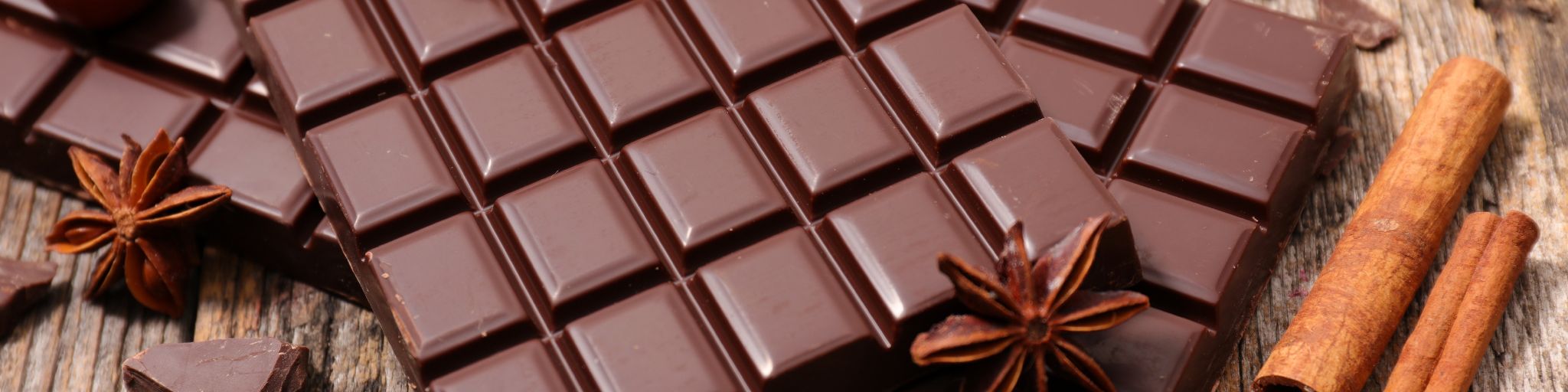
How to Pair Herbs and Spices with Chocolate

Chocolate is a beloved treat worldwide, known for its rich flavor and comforting qualities. But beyond traditional uses in desserts and beverages, chocolate’s complexity makes it an excellent partner for a variety of herbs and spices. Pairing the right herbs and spices with chocolate can elevate your culinary creations, adding unexpected depth and intrigue. This blog explores how to masterfully combine herbs and spices with different types of chocolate to enhance both sweet and savory dishes.

Understanding Chocolate Varieties

Before diving into pairing, it’s essential to understand the types of chocolate and their flavor profiles:

  • Dark Chocolate: Known for its robust cocoa flavor, dark chocolate pairs well with bold spices and can balance sweeter herbs.
  • Milk Chocolate: Sweeter and creamier than dark chocolate, milk chocolate works well with mild spices and can complement delicate herbal flavors.
  • White Chocolate: Rich and sweet with a pronounced dairy flavor, white chocolate is a perfect canvas for both vibrant and subtle spice infusions.

Top Herb and Spice Pairings with Chocolate

  1. Mint and Dark Chocolate:
    • Profile: The cooling freshness of mint contrasts beautifully with the intense richness of dark chocolate.
    • Use: Mint leaves can be infused into melted dark chocolate for a refreshing twist on chocolate bars or truffles.
  2. Cardamom and Milk Chocolate:
    • Profile: Cardamom’s warm, slightly citrusy notes enhance milk chocolate’s creamy sweetness.
    • Use: Ground cardamom can be mixed into milk chocolate for baking or making gourmet hot chocolate.
  3. Lavender and White Chocolate:
    • Profile: The floral subtlety of lavender complements the sweet creaminess of white chocolate without overpowering it.
    • Use: Infuse lavender into white chocolate ganache to create sophisticated chocolates or desserts.
  4. Cinnamon and Chocolate:
    • Profile: Cinnamon adds warmth and spice, which can elevate the natural flavors of any type of chocolate.
    • Use: Sprinkle cinnamon on chocolate-covered fruits, or blend it into chocolate sauces for a hint of spice.
  5. Chili and Dark Chocolate:
    • Profile: The heat of chili peppers cuts through the bitterness of dark chocolate, enhancing its deeper cocoa notes.
    • Use: Add a pinch of chili powder to dark chocolate for a spicy kick in mole sauces or chocolate desserts.
  6. Rosemary and Dark Chocolate:
    • Profile: Rosemary’s piney flavor adds a surprising earthiness to rich, dark chocolate.
    • Use: Infuse rosemary into dark chocolate for a bold twist in homemade chocolate bars or cookies.

Tips for Pairing Herbs and Spices with Chocolate

  • Start with Quality Ingredients: Use high-quality chocolate and fresh or properly stored herbs and spices to ensure the best flavor.
  • Experiment with Proportions: Begin with small amounts of herbs and spices to find the right balance that complements the chocolate without overwhelming it.
  • Consider Texture: Adding ground spices directly to melted chocolate can create a smooth texture, while whole spices or herbs might be better suited for infusions or as decorative toppings.

Conclusion

Pairing herbs and spices with chocolate opens up a world of culinary possibilities. Whether you’re a professional chef or a home cook, experimenting with these combinations can lead to delightful discoveries that surprise and enchant your palate. Embrace the art of pairing to transform simple chocolate dishes into extraordinary culinary creations.


Alert: While spices can have many beneficial properties for health, using them for medical purposes should be done under the guidance and supervision of a healthcare professional or specialist. Some spices may interact with medications or cause adverse reactions in certain individuals, and it is important to use them safely and appropriately. If you are considering using spices for a medical condition, it is important to consult with a healthcare professional before doing so.
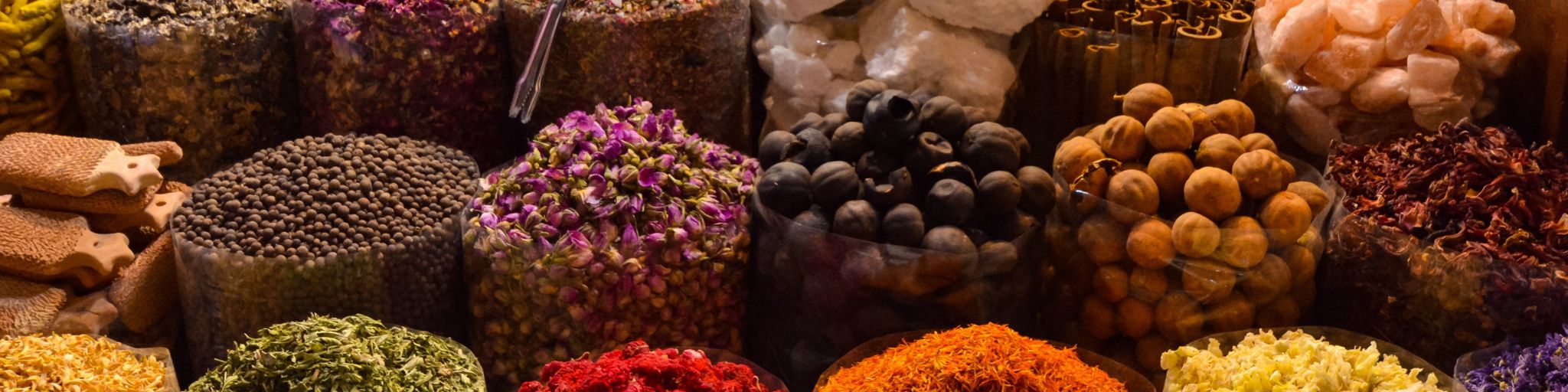
Cooking with Herbs: Fresh vs. Dried

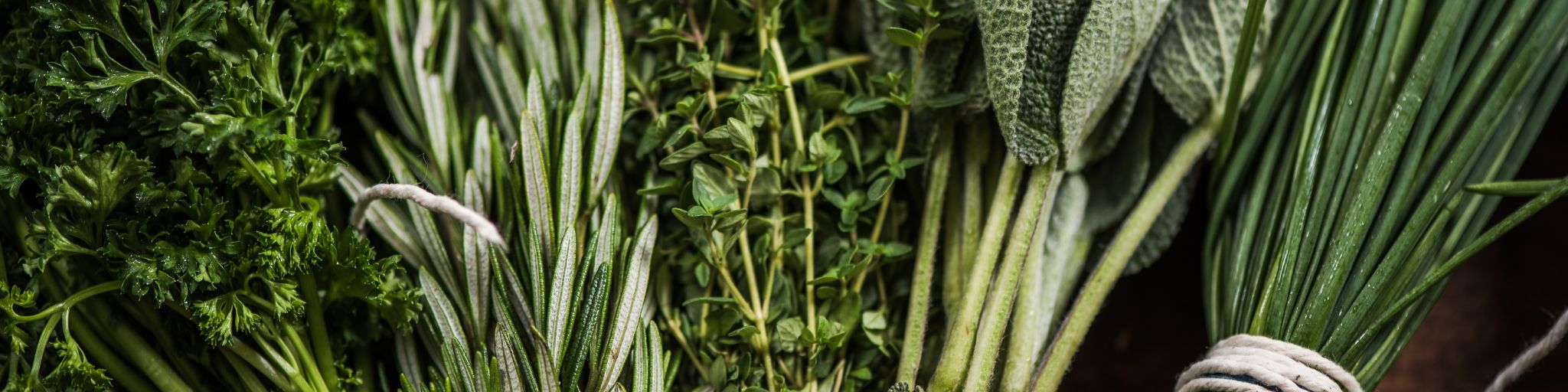
Herbs are an essential part of cooking, adding flavor, freshness, and aroma to dishes. Understanding the differences between fresh and dried herbs and knowing when to use each can make a significant impact on your cooking. This blog explores the nuances of cooking with fresh versus dried herbs, providing tips to help you decide which to use to maximize flavor in your recipes.

Fresh Herbs

Flavor Profile: Fresh herbs generally offer a vibrant, clean taste. They are best used in dishes that benefit from a bright, clear flavor note, such as salads, dressings, and garnishes.

When to Use: Add fresh herbs at the end of cooking or as a garnish to preserve their flavor and color. Cooking fresh herbs for too long can lead to flavor loss and discoloration.

Storage: Keep fresh herbs like flowers in water or wrapped in a damp paper towel in the refrigerator. Some herbs like basil are better stored at room temperature away from direct sunlight.

Best for: Fresh herbs are ideal for dishes that require a bold, aromatic presence that is evident at first bite. Use them in recipes where the herb is a key feature, such as pesto, salsa, and fresh tomato sauce.

Dried Herbs

Flavor Profile: Dried herbs have a more concentrated, potent flavor due to the reduction of water content during the drying process. They are best used in dishes that cook for longer periods or where a more integrated flavor is desired.

When to Use: Add dried herbs at an earlier stage in the cooking process to allow their flavors to meld with other ingredients. This is particularly effective in braises, stews, and sauces.

Storage: Store dried herbs in a cool, dark place in airtight containers to maintain their potency. They typically last longer than fresh herbs but should be replaced every six months to a year as they lose flavor over time.

Best for: Dried herbs are suitable for complex dishes that require cooking over time, allowing the flavors to fully develop and infuse. They are excellent in marinades, roasted dishes, and soups.

Tips for Using Herbs in Cooking

  1. Ratio of Fresh to Dried: The general rule of thumb is to use one-third the amount of dried herbs to fresh herbs. For example, if a recipe calls for 1 tablespoon of fresh basil, use 1 teaspoon of dried basil instead.
  2. Crushing Dried Herbs: To release more flavor, crush dried herbs between your fingers before adding them to your dish.
  3. Refreshing Dried Herbs: If you’re unsure about the potency of your dried herbs, briefly toast them in a dry pan to help release their oils and rejuvenate their flavors.
  4. Experiment: Don’t be afraid to experiment with substituting fresh herbs for dried and vice versa. Note the differences in flavor and adjust your cooking times accordingly.

Conclusion

Whether you choose fresh or dried herbs will depend on the dish you are preparing and the depth of flavor you desire. By understanding the strengths of each form, you can strategically use herbs to enhance your cooking, adding layers of flavor that elevate your dishes from good to extraordinary.


Alert: While spices can have many beneficial properties for health, using them for medical purposes should be done under the guidance and supervision of a healthcare professional or specialist. Some spices may interact with medications or cause adverse reactions in certain individuals, and it is important to use them safely and appropriately. If you are considering using spices for a medical condition, it is important to consult with a healthcare professional before doing so.
Top 5 Spices for Boosting Flavor Without Calories

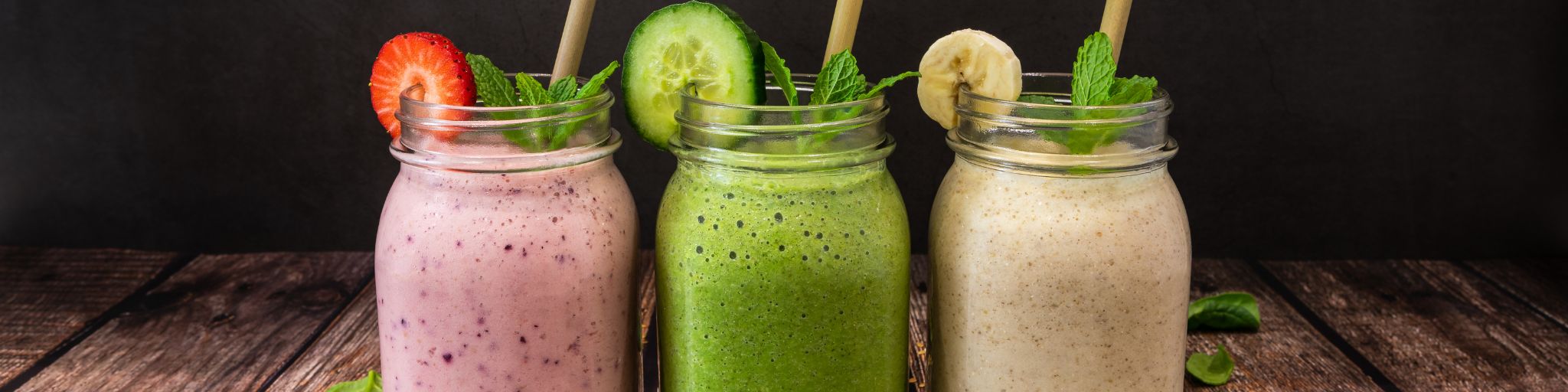
Enhancing the flavor of your meals without adding extra calories is a common goal for health-conscious cooks. Spices are the perfect solution, offering intense flavors without a significant caloric addition to your dishes. This blog explores the top five spices that can transform any meal into a flavorful experience, all while keeping your calorie intake in check.

1. Cinnamon

Flavor Profile: Cinnamon is warm and sweet with a touch of woodsy complexity. Health Benefits: Known for its ability to lower blood sugar and improve insulin sensitivity, cinnamon is a great choice for adding sweetness without the sugar. Culinary Uses: Sprinkle cinnamon on oatmeal, add it to smoothies, or use it in your coffee for a calorie-free flavor boost.

2. Paprika

Flavor Profile: Paprika can range from sweet to smoky, adding vibrant color and depth to dishes. Health Benefits: Rich in antioxidants, paprika helps combat inflammation and can boost your immune system. Culinary Uses: Use paprika to season chicken, vegetables, or rubs for grilling. It’s also fantastic in soups and stews for added complexity.

3. Cumin

Flavor Profile: Earthy, nutty, and slightly spicy, cumin is a staple in many cuisines around the world. Health Benefits: Cumin may aid in digestion and improve glycemic control in people with type 2 diabetes. Culinary Uses: Perfect for spicing up your chili, curries, or taco fillings, cumin adds great flavor without any extra calories.

4. Turmeric

Flavor Profile: Turmeric provides a bright, peppery zest to foods, known for its slight bitterness and vibrant yellow color. Health Benefits: Turmeric contains curcumin, a compound with powerful anti-inflammatory and antioxidant properties. Culinary Uses: Use turmeric in marinades, rice dishes, or to add color and flavor to smoothies. It’s also a key ingredient in homemade mustard.

5. Cayenne Pepper

Flavor Profile: Cayenne is fiery and bold, perfect for those who like a little heat in their dishes. Health Benefits: Cayenne pepper can boost your metabolism, helping to increase the amount of heat your body produces, making you burn more calories. Culinary Uses: A small dash can transform a dish. Add it to meats, sauces, or sprinkle it on vegetables for an instant flavor lift.

Tips for Using Spices to Enhance Flavor

  • Start Small: Spices can be overpowering if used in excess. Begin with a small amount and adjust according to your taste.
  • Mix and Match: Don’t be afraid to combine spices. Often, the best flavors come from the synergy of two or more spices blended together.
  • Toast Spices: Toasting spices in a dry pan can help release their essential oils, enhancing their flavors before adding them to your dishes.

Conclusion

Incorporating these top spices into your cooking is a simple, calorie-free way to enhance the flavor of your meals. Whether you’re looking to add sweetness, heat, or earthy notes, there’s a spice on this list that can meet your needs. Experiment with these spices to discover new taste profiles and take your healthy cooking to the next level.


Alert: While spices can have many beneficial properties for health, using them for medical purposes should be done under the guidance and supervision of a healthcare professional or specialist. Some spices may interact with medications or cause adverse reactions in certain individuals, and it is important to use them safely and appropriately. If you are considering using spices for a medical condition, it is important to consult with a healthcare professional before doing so.
Spice Up Your Smoothies with These Herbs

Smoothies are a staple for anyone looking for a nutritious, delicious meal on the go. While fruits and vegetables are common ingredients, adding herbs can transform your smoothies from ordinary to extraordinary, providing unique flavors and additional health benefits. This blog explores some of the best herbs to add to your smoothies and how they can enhance both the taste and nutritional value of your favorite blends.

Benefits of Adding Herbs to Smoothies

Flavor Enhancement: Herbs can introduce a refreshing twist to the taste of your smoothies, breaking the monotony of usual flavors.

Health Boost: Many herbs offer health-promoting properties, including anti-inflammatory effects, improved digestion, and enhanced immune function.

Increased Variety: Using different herbs allows you to experiment with new flavor combinations and keep your smoothie routine exciting.

Top Herbs to Add to Your Smoothies

1. Mint: Known for its cool and refreshing taste, mint pairs well with fruits like berries, melon, and citrus, making it a perfect addition to a summer smoothie.

2. Basil: With its slightly sweet and peppery flavor, basil complements fruits like strawberries, peaches, and nectarines. It’s also great in green smoothies with spinach or kale.

3. Cilantro: This herb has a bright, citrusy flavor that works well with tropical fruits such as mango, pineapple, and kiwi. Cilantro can also help detoxify heavy metals from the body.

4. Parsley: Mild yet slightly bitter, parsley adds a fresh, clean taste to any smoothie and is packed with vitamins A, C, and K. It goes well with apple, cucumber, and lemon-based smoothies.

5. Ginger: Adding a small piece of fresh ginger can give your smoothie a warm, spicy kick. Ginger is excellent for digestion and works well with both sweet and savory flavors.

6. Lemongrass: With its light lemon flavor, lemongrass is an excellent addition to green smoothies or those with a base of coconut water or coconut milk.

How to Incorporate Herbs into Smoothies

Prepare Properly: Rinse fresh herbs thoroughly before use. For tougher herbs like rosemary or thyme, consider using them as an infused water or tea base for your smoothie to avoid fibrous bits.

Balance Flavors: Start with a small amount of herb and increase according to your taste preference. Herbs are potent, and a little often goes a long way.

Combine with Complementary Ingredients: Match herbs with fruits and vegetables that enhance or balance their flavors. For example, mint pairs wonderfully with lime and watermelon, while basil works well with berries and citrus.

Recipe Idea: Refreshing Mint Melon Smoothie

  • Ingredients:
    • 1 cup fresh cantaloupe, cubed
    • 1/2 cucumber, peeled and sliced
    • 1/2 cup plain yogurt or almond milk
    • 6-8 fresh mint leaves
    • Honey or agave syrup, to taste
    • Ice cubes
  • Directions:
    1. Place all ingredients in a blender.
    2. Blend on high until smooth.
    3. Taste and adjust sweetness with honey or agave syrup as desired.
    4. Serve immediately, garnished with additional mint leaves.

Conclusion

Herbs are not just for savory dishes; they can be a fantastic addition to smoothies, offering new flavors and boosting nutritional value. By integrating herbs into your smoothies, you can enjoy a refreshing and healthful beverage that tastes great and is good for you. Experiment with different combinations to find your favorite blends and spice up your smoothie routine!


Alert: While spices can have many beneficial properties for health, using them for medical purposes should be done under the guidance and supervision of a healthcare professional or specialist. Some spices may interact with medications or cause adverse reactions in certain individuals, and it is important to use them safely and appropriately. If you are considering using spices for a medical condition, it is important to consult with a healthcare professional before doing so.
Mastering Masalas: The Secrets of Indian Spices

Indian cuisine is celebrated globally for its incredible depth of flavor and aromatic dishes, a reputation largely built on the expert use of a variety of spices, or ‘masalas’. Understanding and mastering the blend of these spices can elevate simple ingredients to a feast for the senses. This blog will uncover the secrets of Indian spices and provide tips on how to use them to achieve authentic flavors in your cooking.

Understanding Indian Spices

Indian cooking utilizes a plethora of spices, each providing unique flavors and aromas. Key spices include:

  • Turmeric: Known for its vibrant yellow color and earthy flavor, it’s a staple in almost all Indian dishes.
  • Cumin: These seeds or ground powder have a nutty, peppery taste essential in many spice blends.
  • Coriander: Both the seeds and leaves of the coriander plant are used, offering a citrusy flavor when ground.
  • Cardamom: Green cardamom pods are sweet and spicy, adding a complex aroma to both sweet and savory dishes.
  • Mustard Seeds: These tiny seeds add a nutty, spicy character to dishes when popped in hot oil.
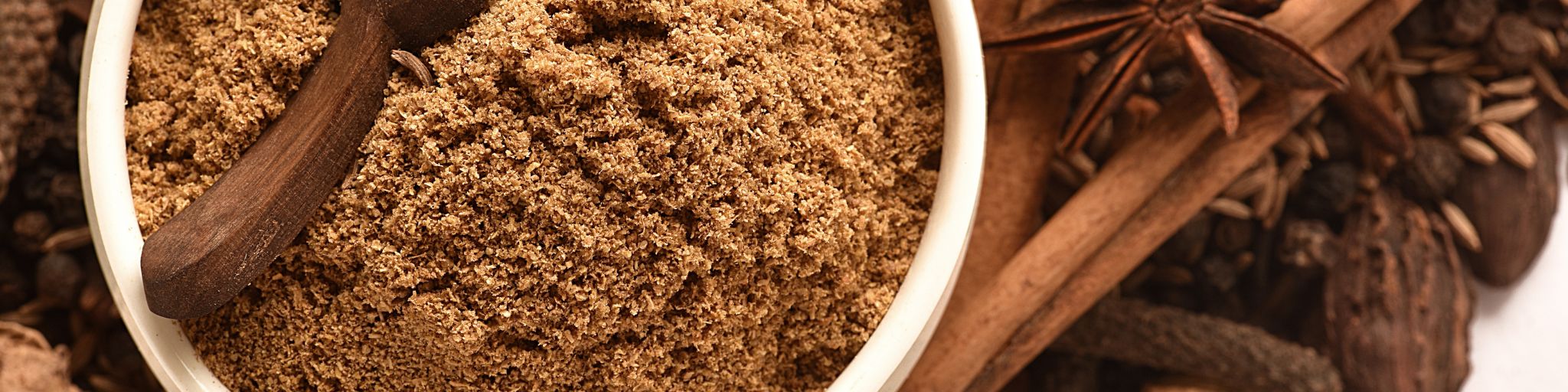
  • Garam Masala: A blend of ground spices, such as cinnamon, mace, peppercorns, coriander seeds, cumin seeds, and cardamon pods, that is often added at the end of cooking to add a final layer of flavor.

Crafting the Perfect Masala

Roasting Spices: Many Indian recipes start with dry-roasting spices. This simple technique enhances their flavors and makes them easier to grind. Keep the spices moving in a hot pan until they start to release their aromas, then cool before grinding.

Making a Spice Blend: Masalas can vary by region, family, and dish. To make a basic garam masala, combine 2 tablespoons of cumin, 1 tablespoon each of coriander, cardamom, and black peppercorns, 1 teaspoon of fennel seeds, a small cinnamon stick, and 5-6 cloves. Roast them lightly, cool, and grind them into a powder.

Layering Flavors: Indian cooking often involves adding spices at different stages. Start with whole seeds fried in oil to create a flavorful base, then add ground spices or spice blends in the middle of cooking to build complexity, finishing with fresh herbs and a sprinkle of garam masala at the end.

Using Spices in Indian Dishes

  • Curries: Start with a base of onion, garlic, and ginger, add turmeric, cumin, and coriander, and later incorporate tomato and chili powder.
  • Rice Dishes: Infuse your rice with whole spices like cloves, cardamom, cinnamon, and bay leaves to add subtle flavors.
  • Vegetarian Cooking: Enhance dishes like lentils and paneer with a tadka (tempered spices in hot oil) of mustard seeds, cumin seeds, and dried chilies.

Storing Indian Spices

To maintain the freshness and potency of spices, store them in airtight containers away from heat and light. Whole spices will last longer than ground ones, so consider grinding small amounts as needed for maximum flavor.

Conclusion

Mastering the art of using Indian spices can transform your cooking, bringing the vibrant and diverse flavors of India into your kitchen. Experiment with different spices and techniques to find the perfect balance and depth of flavor that Indian cuisine is known for.


Alert: While spices can have many beneficial properties for health, using them for medical purposes should be done under the guidance and supervision of a healthcare professional or specialist. Some spices may interact with medications or cause adverse reactions in certain individuals, and it is important to use them safely and appropriately. If you are considering using spices for a medical condition, it is important to consult with a healthcare professional before doing so.
Which Spices to Use for Soup Season

As the weather cools and the days grow shorter, soup becomes a staple in many households. Not only is it comforting and warming, but it’s also a fantastic canvas for culinary creativity. The right spices can transform a simple soup into a gourmet experience, enhancing its flavors and aromas. This guide will explore the best spices to use during soup season, helping you create delicious and comforting bowls of warmth.

Essential Spices for Soups

1. Bay Leaves: A classic addition to stocks and broths, bay leaves impart a subtle depth and complexity that grounds other flavors. They work well in everything from creamy chowders to hearty vegetable stews.

2. Paprika: Available in varieties from sweet to smoky, paprika adds a beautiful color and a warm, inviting flavor. It’s particularly good in potato-based soups or those with a tomato base.

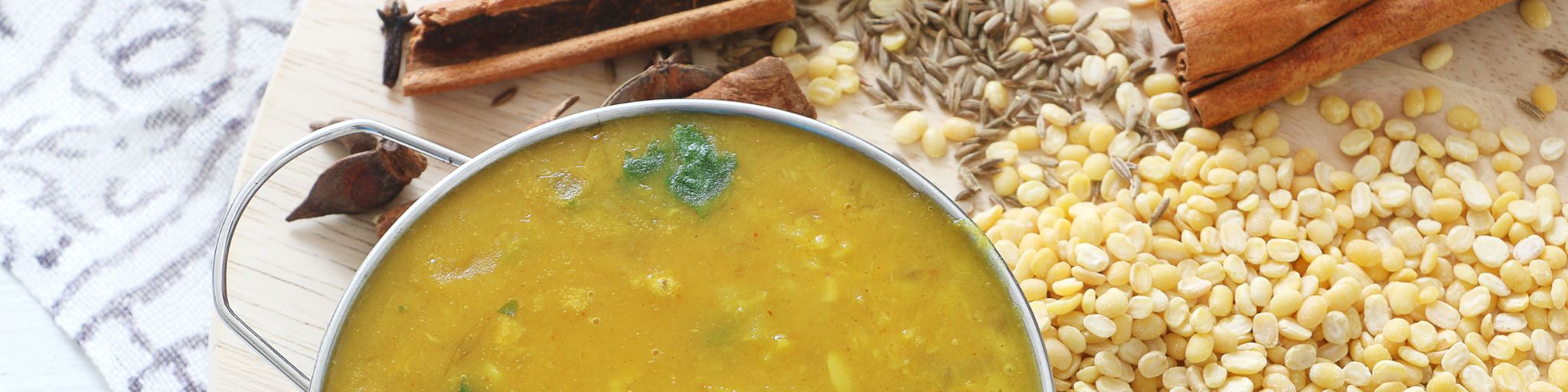
3. Turmeric: Known for its vibrant color and health benefits, turmeric brings a warm, peppery flavor to soups. It pairs well with lentil soups or any recipe that could use a touch of earthiness.

4. Cumin: This spice adds a nutty, piquant flavor that is indispensable in chili and other bean-focused soups. It’s also fantastic in creamy soups where its robustness complements the mildness of dairy or root vegetables.

5. Nutmeg: Often associated with sweet dishes, nutmeg works wonderfully in savory creamy soups, such as butternut squash or potato soup, adding a hint of sweetness and spice.

6. Thyme: With its earthy and slightly floral notes, thyme is a versatile herb that enhances the natural flavors of vegetables in a soup. It’s particularly good in chicken or turkey soups.

7. Ginger: Fresh ginger lends a warming, spicy kick to soups, ideal for enhancing Asian-style soups like ramen or miso. It’s also great in pureed soups, adding a bright, sharp touch.

How to Use Spices in Soups

Start with Aromatics: Begin your soup by cooking onions, garlic, and celery in a bit of oil. Add your dried spices, such as cumin or paprika, early in the cooking process to allow them to develop depth.

Add Fresh Herbs at the End: Herbs like parsley, cilantro, or dill should be added towards the end of your cooking to preserve their vibrant color and delicate flavor.

Use Whole Spices for Long Simmers: If your soup will simmer for a while, consider using whole spices like cinnamon sticks or whole cloves, which can be removed before serving.

Experiment with Spice Blends: Don’t be afraid to use spice blends like curry powder, Italian seasoning, or Herbes de Provence as shortcuts to achieving complex flavors in your soups.

Tips for Balancing Spices in Soup

  • Taste as You Go: The strength of spices can vary, so it’s important to taste your soup as you cook and adjust the seasoning accordingly.
  • Be Mindful of Heat: Spices like cayenne or red pepper flakes can quickly overwhelm a dish. Start with a little and add more as needed.
  • Consider Acidity: Sometimes, a splash of vinegar or squeeze of lemon at the end can balance and lift the flavors of your spiced soup.

Conclusion

Soups are a wonderful way to experiment with spices, each type bringing its unique flavor that can define a dish. This season, let your spices transform your soups into memorable meals that warm the body and soul. Whether you stick with traditional recipes or venture into new culinary territories, the spices you choose will make all the difference.


Alert: While spices can have many beneficial properties for health, using them for medical purposes should be done under the guidance and supervision of a healthcare professional or specialist. Some spices may interact with medications or cause adverse reactions in certain individuals, and it is important to use them safely and appropriately. If you are considering using spices for a medical condition, it is important to consult with a healthcare professional before doing so.

Spices vs. Herbs: Understanding the Differences

In the culinary world, the terms “spices” and “herbs” are often used interchangeably, yet they refer to different types of flavorings that come from plants. Understanding the differences between spices and herbs can enhance your cooking, giving you a better grasp of how to use each to elevate the flavors of your dishes. This guide will clarify what sets herbs and spices apart and how to utilize them effectively in your kitchen.

What Are Spices?

Spices come from the non-leafy parts of plants. These include roots, bark, seeds, flowers, fruits, and stems. Spices are typically used in their dried form and can be whole or ground. They are known for their strong flavors and are often used in smaller quantities than herbs. Spices are not only prized for their ability to season food but also for their medicinal properties and role in food preservation.

Common Spices Include:

  • Cinnamon: Obtained from the inner bark of several tree species from the genus Cinnamomum.
  • Cumin: Seeds that come from Cuminum cyminum, a plant in the parsley family.
  • Nutmeg: The seed of the fragrant nutmeg tree, Myristica fragrans.

What Are Herbs?

Herbs are the leaves of the plant, used fresh or dried. They tend to be more subtly flavored than spices and are often used in larger quantities. Herbs can be annuals, perennials, or biennials and are commonly used to enhance the flavor of food, as well as in medicine and cosmetics.

Common Herbs Include:

  • Basil: Fresh or dried leaves of the basil plant, used widely in Italian and Southeast Asian cuisines.
  • Parsley: A mild, versatile herb from the celery family.
  • Cilantro: Also known as coriander leaves, used in Mexican, Middle Eastern, and Asian cuisines.

Culinary Uses

The usage of spices and herbs can vary widely depending on the cuisine. Here are some general tips for using them in cooking:

  • Spices: Because of their potency, spices are often used at the beginning of cooking to develop and deepen flavors. Toasting whole spices before grinding them can enhance their flavor.
  • Herbs: Fresh herbs are usually added towards the end of cooking to preserve their flavor and color. They are also commonly used raw in salads and as garnishes.

Flavor Pairings

Understanding how to pair spices and herbs with ingredients can elevate your cooking:

  • With Proteins: Robust spices like paprika, black pepper, and garlic powder are excellent with meats. Milder herbs like dill or parsley can be used with fish and seafood.
  • In Vegetarian Dishes: Turmeric, cumin, and coriander add depth to vegetable dishes. Fresh herbs like basil and cilantro can add a fresh note to vegetarian and vegan meals.

Storing Spices and Herbs

Proper storage is crucial for maintaining the flavor of spices and herbs:

  • Spices: Store in a cool, dark place in tightly sealed containers. Ground spices should be used within six months for maximum flavor, while whole spices can last up to a year.
  • Herbs: Fresh herbs can be kept in the refrigerator, wrapped in a damp paper towel, or in a glass of water. Dried herbs should be stored in airtight containers away from heat and light and used within a year.

Conclusion

While both spices and herbs play integral roles in culinary arts, understanding their unique characteristics and applications can help you use them more effectively to enhance your cooking. Whether you’re spicing up a stew or garnishing a salad, the right use of herbs and spices can make a world of difference in your dishes.


Alert: While spices can have many beneficial properties for health, using them for medical purposes should be done under the guidance and supervision of a healthcare professional or specialist. Some spices may interact with medications or cause adverse reactions in certain individuals, and it is important to use them safely and appropriately. If you are considering using spices for a medical condition, it is important to consult with a healthcare professional before doing so.

How to Make Your Own Vanilla Extract

Vanilla extract is a pantry staple for any baker, providing a depth of flavor to everything from cookies and cakes to custards and creams. While store-bought vanilla extract can be convenient, making your own at home allows you to control the quality and intensity of the flavor, often at a fraction of the cost. This guide will walk you through the simple process of making your own vanilla extract, including tips for getting the best results.

Why Make Your Own Vanilla Extract?

Cost-Effective: Homemade vanilla extract can be more economical, especially if you bake frequently.

Flavor Control: By making your own, you can customize the strength of your extract to suit your taste preferences.

Natural Ingredients: You can ensure your vanilla extract is free from any additives or preservatives found in some commercial brands.

What You Need to Get Started

  • Vanilla Beans: Choose high-quality beans for the best flavor. Madagascar Bourbon vanilla beans are popular for their classic vanilla taste, but Tahitian or Mexican vanilla beans are also excellent choices, each offering unique flavor profiles.
  • Alcohol: Use a neutral, high-proof alcohol like vodka for the most straightforward flavor, or experiment with bourbon, rum, or brandy for different nuances.
  • Airtight Container: A glass bottle or jar with a tight seal is essential to allow the flavors to develop properly.

Step-by-Step Guide to Making Vanilla Extract

  1. Prepare Your Vanilla Beans: Start by slicing each vanilla bean lengthwise to expose the seeds inside. Depending on your preference for strength, use about 5-6 vanilla beans per cup (240 ml) of alcohol.
  2. Place the Beans in Your Jar: Put the split beans in your airtight container. You can chop them into smaller pieces if necessary to ensure they are completely submerged in the alcohol.
  3. Add the Alcohol: Pour the alcohol over the beans until they are fully covered. The general rule of thumb is to use one cup of alcohol per five vanilla beans.
  4. Seal and Store: Tighten the lid on your jar and shake it slightly to mix. Store the jar in a cool, dark place. Give the jar a good shake every week or so.
  5. Wait: Patience is key! Your vanilla extract will be ready to use in as little as eight weeks, but for best results, let it mature for at least three to six months. The longer it sits, the more developed and robust the flavor will be.
  6. Strain and Use: Once your extract has reached its desired strength, strain it through a fine-mesh sieve or cheesecloth to remove the vanilla pods. You can reuse these beans by adding them to sugar for vanilla-infused sweetness.

Tips for Perfect Vanilla Extract

  • Quantity and Quality: The flavor strength of your extract depends significantly on the ratio of vanilla beans to alcohol and the quality of the beans. Don’t skimp on the quality if you want a richly flavored extract.
  • Label Your Extract: Always label your homemade extract with the date it was made, so you know how long it has been maturing.
  • Gifting: Homemade vanilla extract makes a thoughtful and personal gift for the bakers in your life. Consider decorative bottles and custom labels for an extra special touch.

Conclusion

Making your own vanilla extract is a rewarding process that not only enhances your baking but can also lead to more creative culinary adventures. With just a few simple ingredients and a little patience, you can produce a high-quality product that surpasses many of the options available at the store.


Alert: While spices can have many beneficial properties for health, using them for medical purposes should be done under the guidance and supervision of a healthcare professional or specialist. Some spices may interact with medications or cause adverse reactions in certain individuals, and it is important to use them safely and appropriately. If you are considering using spices for a medical condition, it is important to consult with a healthcare professional before doing so.

Tips for Buying High-Quality Spices Online

Purchasing spices online can be a convenient and effective way to access a wide variety of high-quality products that may not be available locally. However, the abundance of options can also be overwhelming, and not all spices sold online meet high standards. To ensure you’re getting the best possible products for your culinary needs, follow these essential tips for buying high-quality spices online.

1. Know Your Source

Reputation Matters: Choose reputable online retailers or directly buy from spice companies known for their quality and transparency. Look for reviews and testimonials from other customers to gauge their satisfaction with the product quality and customer service.

Transparency: Opt for suppliers who provide detailed information about the source of their spices, including the country of origin, harvest dates, and any processing details. This information can be indicative of how fresh and potent the spices are.

2. Check for Freshness

Packaging Dates: Look for spices that have a clearly marked packaging or grinding date. Spices lose their potency over time, so the fresher, the better.

Storage Information: Quality retailers often provide storage information to help maintain freshness. This can be a sign that they take the quality of their spices seriously.

3. Opt for Whole Spices

Longer Shelf Life: Whole spices maintain their flavor longer than ground spices. Whenever possible, buy whole spices and grind them yourself as needed.

Authenticity: Purchasing whole spices can also ensure you are getting the real spice rather than a blend of fillers or lesser-quality substitutes that can sometimes be found in pre-ground mixes.

4. Seek Out Organic and Ethical Options

Organic Certification: Organic spices are grown without synthetic pesticides and fertilizers, which can be better for your health and the environment. Look for official organic certifications.

Fair Trade Practices: Consider buying from companies that adhere to fair trade practices, ensuring that farmers and workers are compensated fairly. This often correlates with higher quality standards and ethical sourcing.

5. Consider Variety and Specialty Suppliers

Rare Finds: If you’re looking for unique or hard-to-find spices, consider specialty online shops that cater to specific cuisines.

Sample Packs: Some retailers offer sample packs, which allow you to try smaller amounts of spices before committing to larger purchases. This can be a great way to test quality without a significant initial investment.

6. Be Cautious of Price Too Good to Be True

Cost vs. Quality: While everyone loves a good deal, exceptionally low prices can sometimes indicate inferior quality. Compare prices across several online sources and be wary of prices significantly lower than the market rate.

7. Understand Return Policies and Customer Service

Return Options: Check if the online store has a friendly return policy if you are not satisfied with the purchase. This can be crucial in buying spices online where you can’t assess quality firsthand.

Responsive Customer Service: Good customer service can be indicative of a company’s commitment to quality and customer satisfaction. Check how responsive they are before making a purchase.

Conclusion

Buying spices online can expand your culinary palette and allow you to access premium spices that are fresh, potent, and sustainably sourced. By following these tips, you can make informed choices that ensure the spices you buy will enhance your cooking with their flavor, aroma, and quality. Happy spice hunting!


Alert: While spices can have many beneficial properties for health, using them for medical purposes should be done under the guidance and supervision of a healthcare professional or specialist. Some spices may interact with medications or cause adverse reactions in certain individuals, and it is important to use them safely and appropriately. If you are considering using spices for a medical condition, it is important to consult with a healthcare professional before doing so.

The Science Behind the Flavor: What Makes Spices Taste Good?

Spices are not just culinary tools that add zest and flavor to our dishes; they are complex ingredients with a rich history and intriguing science behind their sensory impact. Understanding what makes spices taste good can enhance your appreciation for these powerful ingredients and help you use them more effectively in your cooking. This blog explores the chemistry of spices and the science behind why they taste so good.

The Basic Tastes

The human tongue can detect five basic tastes: sweet, sour, salty, bitter, and umami (savory). Spices can influence these tastes in various ways, not only by directly stimulating taste buds but also through their aroma, which can alter the perception of flavor.

Flavor Compounds in Spices

Spices contain volatile and non-volatile compounds that contribute to their unique flavors and aromas. These compounds are released when a spice is ground, cooked, or chewed:

  • Volatile oils are responsible for the aromatic qualities of spices and are highly sensitive to heat, which is why spices can smell stronger when cooked.
  • Non-volatile alkaloids and glucosinolates contribute to the pungency and bitterness in spices like mustard and black pepper.

The Role of Aroma

Aroma plays a crucial role in our perception of flavor. When you chew food, you release aromas that travel through the nasal passage to the olfactory receptors. This olfactory response can significantly enhance the taste and complexity of a dish. Spices with strong aromas, such as cinnamon, cloves, and star anise, are particularly effective at enhancing this sensory experience.

Taste Pairings and Combinations

The art of combining spices involves more than just mixing different flavors. It’s about creating a balanced interaction between different taste components that enhance and complement each other:

  • Sweet and Spicy: Combining sweet spices like cinnamon with spicy ones like ginger can balance the heat and create a rounded flavor.
  • Sour and Savory: Tamarind (sour) paired with cumin (savory) is a common pairing in Indian cuisine that exemplifies how contrasting flavors enhance dishes.
  • Bitter and Sweet: Chocolate and chili are a classic example of how bitter and sweet (plus heat) can create a complex and rich flavor profile.

The Impact of Cooking on Spices

The way you cook spices affects their flavor:

  • Toasting dry spices in a pan can enhance their flavor by allowing the oils to release.
  • Blooming spices in hot oil is a technique used to release fat-soluble flavors, making them more aromatic and flavorful in the dish.
  • Grinding spices just before use maintains their flavor and potency, as ground spices lose their flavor more quickly than whole spices.

Health Benefits

Many spices also offer significant health benefits, which can be attributed to their bioactive compounds. For example, turmeric contains curcumin, which is known for its anti-inflammatory properties. These benefits can make spices not only a delicious addition to meals but also a healthy one.

Conclusion

The science behind what makes spices taste good is as fascinating as it is flavorful. By understanding the elements of flavor, aroma, and their chemical interactions, you can more effectively use spices to enhance your cooking. Whether you’re a seasoned chef or a culinary novice, incorporating this knowledge into your cooking can transform ordinary meals into extraordinary ones.


Alert: While spices can have many beneficial properties for health, using them for medical purposes should be done under the guidance and supervision of a healthcare professional or specialist. Some spices may interact with medications or cause adverse reactions in certain individuals, and it is important to use them safely and appropriately. If you are considering using spices for a medical condition, it is important to consult with a healthcare professional before doing so.